
Best Camera for Real Estate Photography: 2026 Edition
Choosing the best camera for real estate photography can make a huge difference in how your property listings look and perform. High-quality images attract more buyers, increase engagement, and ultimately help properties sell faster. But with so many options available, which camera should you choose?
In this guide, we’ll break down what actually matters and recommend the best options for different needs and budgets.
Why Your Camera Matters in Real Estate Photography
Real estate photography is all about capturing space, light, and detail. Unlike other types of photography, you need:
- Wide dynamic range (to handle bright windows and dark interiors)
- Sharp image quality
- Good low-light performance
- Compatibility with wide-angle lenses
Even though editing plays a big role, starting with a strong image from the right camera makes everything easier.
Key Features to Look For
Before choosing the best camera for real estate photography, focus on these essentials:
1. Sensor Size
Full-frame cameras generally perform better in low light and offer better dynamic range. However, APS-C cameras can still deliver great results at a lower cost.
2. Resolution
A camera with at least 20MP is ideal. Higher resolution allows for more detail and flexibility in editing.
3. Dynamic Range
This is crucial for real estate photography. A camera with strong dynamic range helps balance bright windows and darker interiors.
4. Lens Compatibility
A good wide-angle lens (typically 14–24mm full-frame equivalent) is more important than the camera body itself.
Best Cameras for Real Estate Photography (2026)
Here are some of the top choices depending on your budget:
1. Sony A7 IV
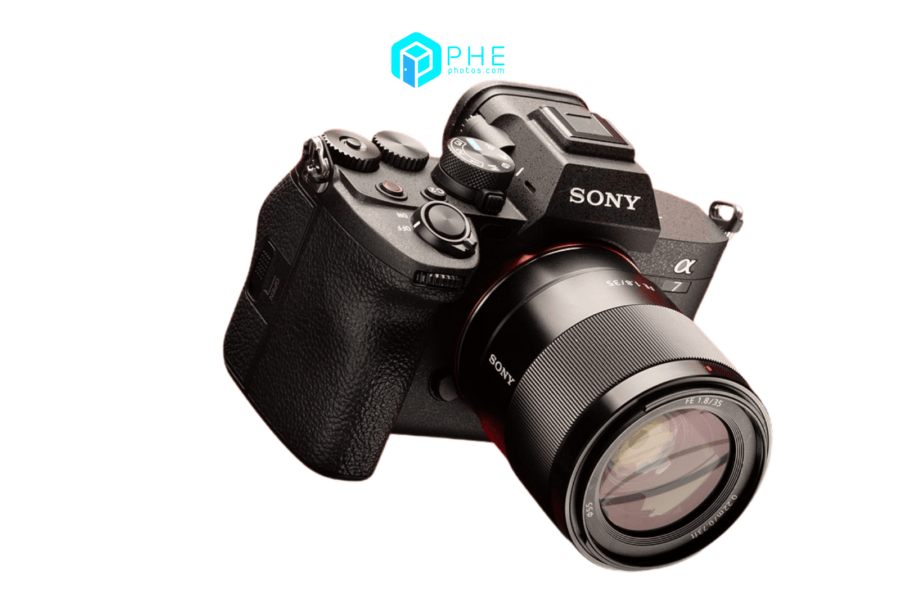
A top-tier full-frame camera with excellent dynamic range and sharp image quality. It’s perfect for professionals who want consistent, high-end results.
Pros:
- Great low-light performance
- High resolution (33MP)
- Reliable autofocus
Cons:
- Expensive for beginners
2. Canon EOS R6
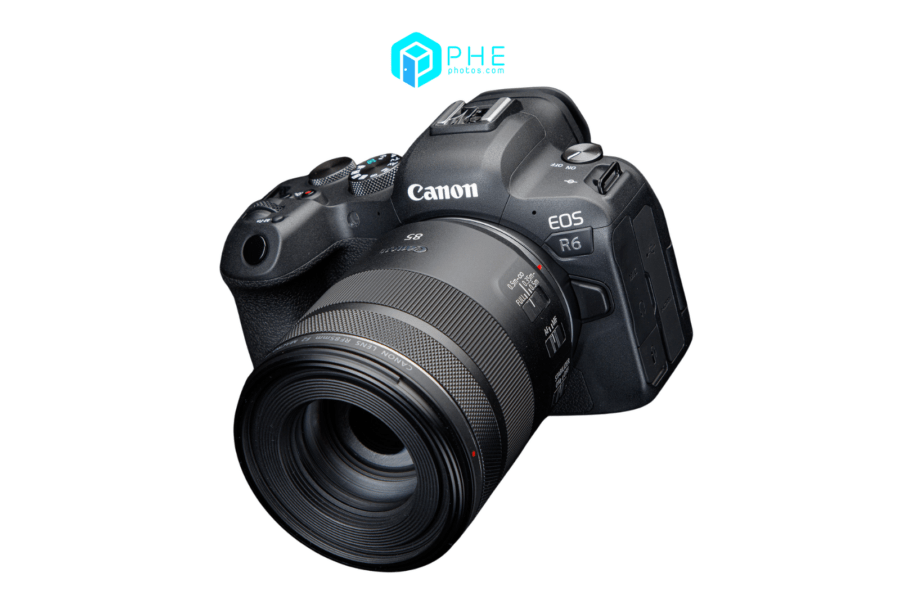
Known for its color science and ease of use, this camera is a favorite among real estate photographers.
Pros:
- Excellent color accuracy
- Strong dynamic range
- Fast performance
Cons:
- Lower resolution compared to some competitors
3. Nikon Z6 II
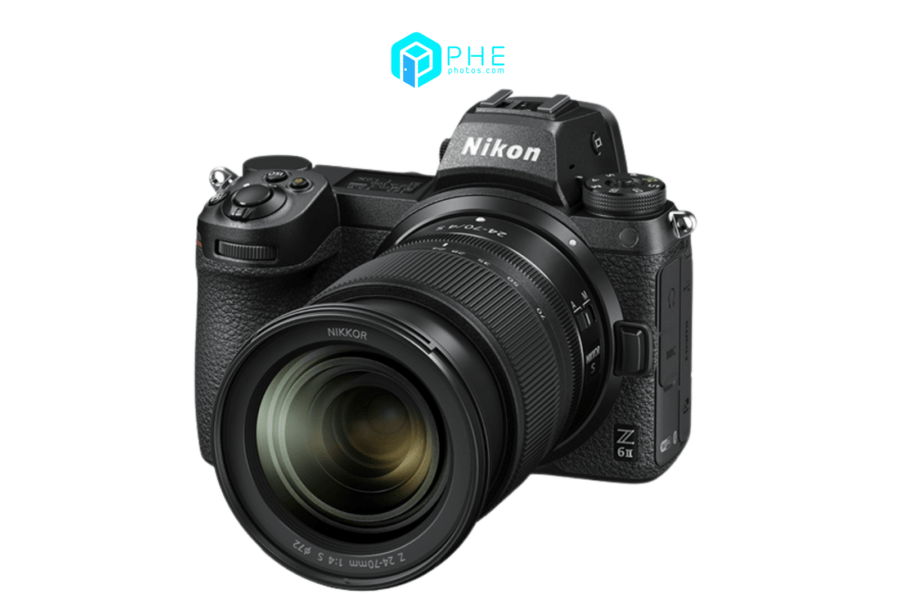
A balanced option offering solid performance and great image quality.
Pros:
- Good dynamic range
- Durable build
- Reliable for HDR shooting
Cons:
- Autofocus not as strong as Sony
4. Fujifilm X-T5
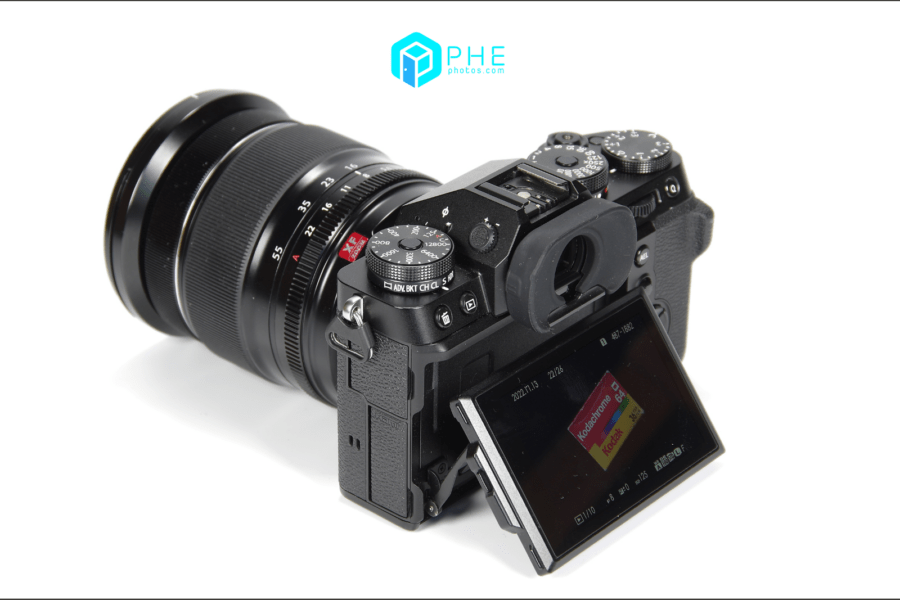
A great APS-C option for those on a budget who still want professional-quality results.
Pros:
- High resolution for APS-C
- Compact and lightweight
- Beautiful color profiles
Cons:
- Smaller sensor than full-frame
Do You Really Need an Expensive Camera?
Not necessarily.
While choosing the best camera for real estate photography is important, it’s only part of the equation. Lighting, composition, and especially post-processing have an even bigger impact on the final result.
Many professional photographers shoot with mid-range cameras and rely on editing techniques like HDR blending, color correction, and perspective adjustment to create stunning images.
Pro Tip: Editing Matters More Than Gear
Even the best camera won’t fix:
- Poor lighting
- Crooked lines
- Dull colors
That’s why professional real estate photographers often combine good shooting techniques with high-quality editing.
Outsourcing editing can save time and ensure consistent, polished results — especially when handling multiple listings.
Final Thoughts
The best camera for real estate photography depends on your budget and workflow. If you’re a professional, investing in a full-frame camera like the Sony A7 IV or Canon EOS R6 is a smart choice. If you’re just starting out, an APS-C camera like the Fujifilm X-T5 can still deliver excellent results.
At the end of the day, great real estate photography is about more than just the camera. Focus on lighting, composition, and editing — and you’ll be able to create images that truly stand out.
Read more:
AI Real Estate Photo Editing: The Future of Property Marketing
How to Take Real Estate Photo with a Phone
Fast Computer for Photo Editing: Performance Guide 2026

