
Virtual Staging vs Traditional Staging: Which Is Better?
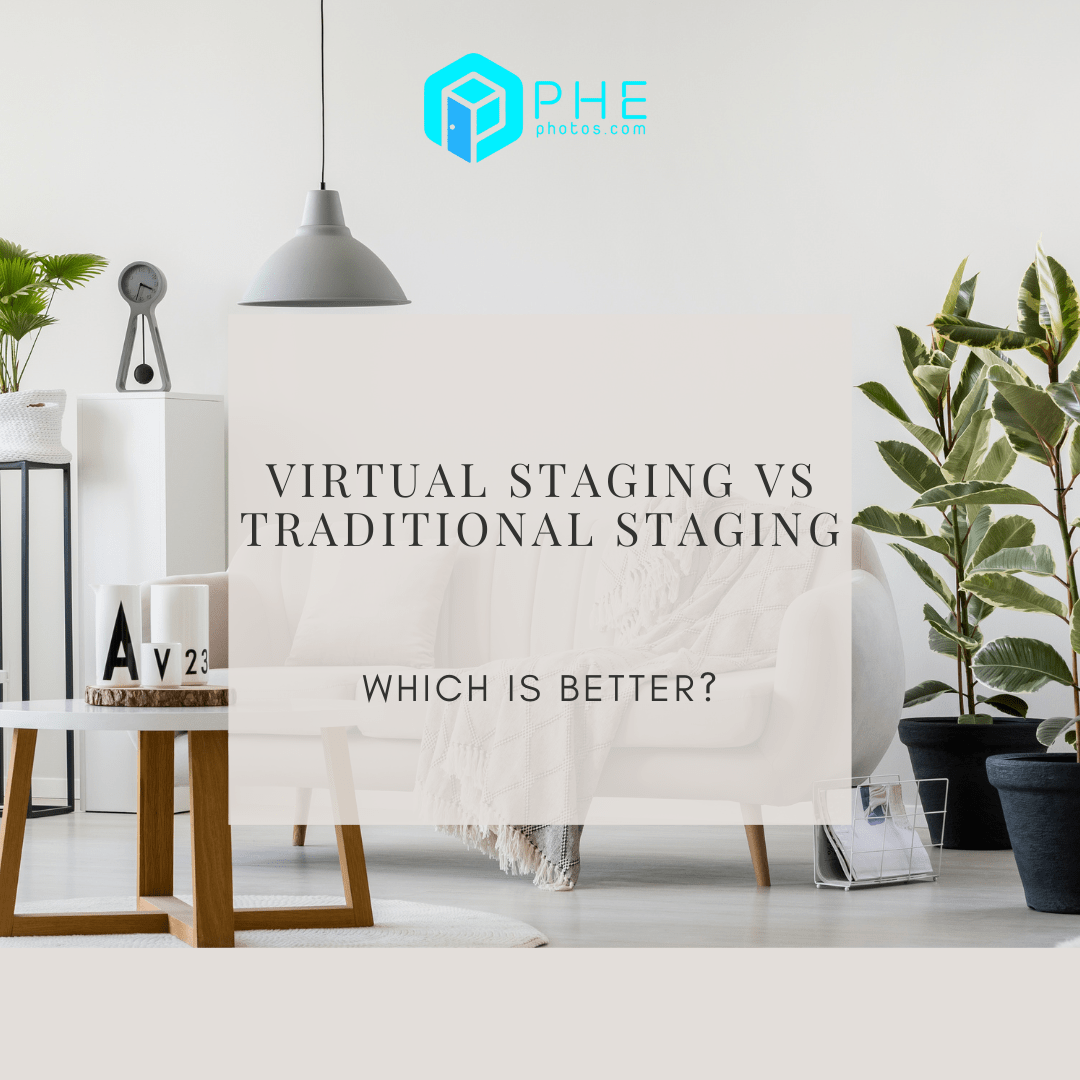
In today’s highly competitive real estate market, presentation plays a crucial role in attracting buyers. Properties that are well-staged tend to sell faster and at higher prices. Two of the most common staging methods are virtual staging and traditional staging. So when comparing virtual staging vs traditional staging, which option is more effective, cost-efficient, and suitable for modern property marketing? Let’s explore the key differences.
What Is Virtual Staging?
Virtual staging is the process of digitally adding furniture, décor, and design elements to photos of an empty property. Using professional photo editing software, designers create realistic interiors that help buyers visualize the potential of a space.
Virtual staging allows properties to be styled in various design themes such as Scandinavian, modern, minimalist, or luxury—without physically moving any furniture. This method has become increasingly popular in online listings, especially for vacant homes or new developments.
What Is Traditional Staging?
Traditional staging involves physically furnishing a property with real furniture, artwork, lighting, and accessories before showings or photo shoots. Professional stagers carefully design each room to appeal to the target buyer demographic.
This approach has been used for decades and is often considered the “classic” staging method. Traditional staging can create an immersive in-person experience for buyers attending open houses or private viewings.
Virtual Staging vs Traditional Staging: Cost Comparison

One of the biggest differences between virtual staging vs traditional staging is cost.
Traditional staging can be expensive. It often includes furniture rental fees, delivery, installation, storage, and monthly rental costs. Depending on the size of the property, expenses can range from hundreds to thousands of dollars per month.
Virtual staging, on the other hand, is significantly more affordable. It is typically priced per image and does not involve logistics, storage, or ongoing rental fees. This makes virtual staging an ideal solution for agents and sellers working with limited budgets.
Time and Flexibility
When comparing virtual staging vs traditional staging, speed is another major factor.
Traditional staging can take days or even weeks to coordinate, especially if furniture availability or scheduling becomes an issue. Any design changes require additional time and cost.
Virtual staging is fast and highly flexible. Edits can often be completed within 24–48 hours, and design changes are easy to implement. This flexibility allows agents to test different styles or tailor visuals to specific buyer profiles.
Buyer Experience: Online vs In-Person
Traditional staging excels during in-person showings. Buyers can physically walk through the space, experience scale, and imagine living there. This tactile experience can be powerful for certain types of buyers.
However, most buyers begin their search online. Virtual staging is optimized for digital platforms, where high-quality visuals are critical. Staged photos help listings stand out on MLS platforms, real estate websites, and social media.
In the debate of virtual staging vs traditional staging, virtual staging clearly has the advantage for online marketing.
Transparency and Ethical Considerations
One concern often raised about virtual staging is transparency. It is important that listings clearly disclose when images have been virtually staged to avoid misleading buyers.
When done ethically and professionally, virtual staging enhances presentation without altering the property’s structure or dimensions. Traditional staging naturally avoids this issue, as everything shown is physically present.
Which One Should You Choose?

The decision between virtual staging vs traditional staging depends on your goals, budget, and marketing strategy.
Choose virtual staging if:
- The property is vacant
- You want a cost-effective solution
- Your focus is online marketing
- You need fast turnaround times
Choose traditional staging if:
- You expect many in-person showings
- The budget allows for higher staging costs
- The target buyers value physical experience
Conclusion
Both staging methods have their advantages, but in today’s digital-first real estate environment, virtual staging has become a powerful and practical alternative. When comparing virtual staging vs traditional staging, virtual staging stands out for its affordability, speed, and flexibility, while traditional staging remains valuable for luxury properties and in-person experiences.
Ultimately, the right choice depends on how you want to position your property and connect with potential buyers.
Read more:
Exterior Virtual Staging for Real Estate: Boost Property Appear
Estate Agent Photo Editing Best Practices
Commercial Solutions for Modern Property Marketing