Shoot 3D Real Estate Photography: Property Marketing Guide
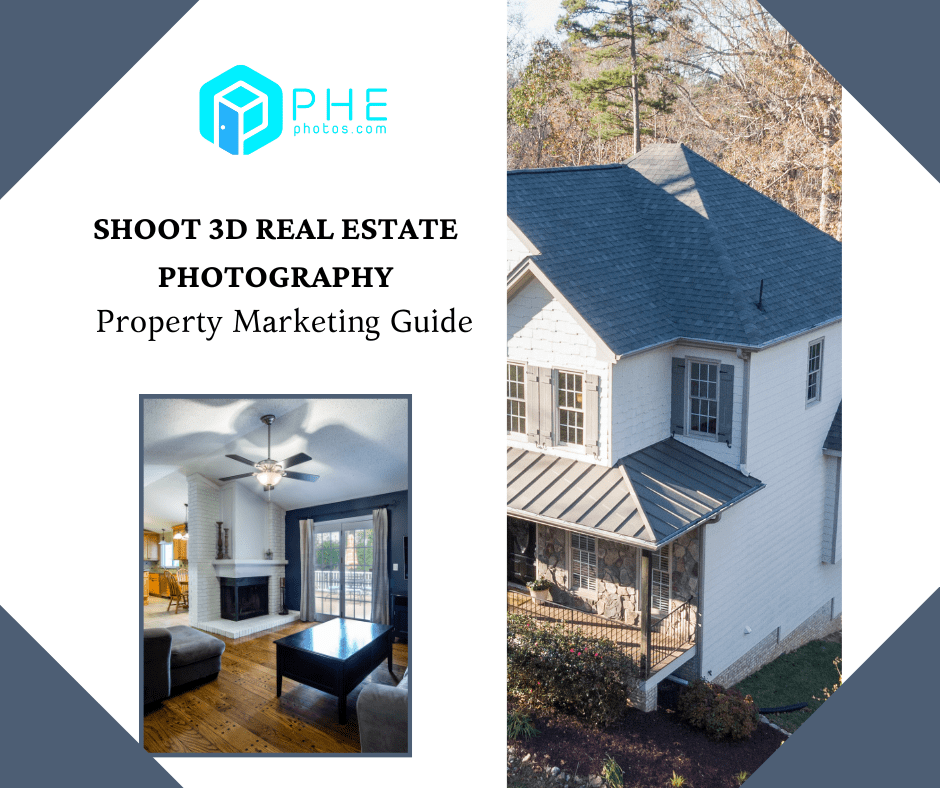
Shoot 3D real estate photography is revolutionizing the way properties are presented in the modern real estate market. Buyers today expect immersive, interactive experiences that give them a realistic sense of a home before they ever step foot inside. Traditional 2D photography simply cannot match the engagement, clarity, and depth that 3D tours provide. For realtors, developers, and homeowners who want to make their listings stand out, investing in 3D photography is no longer optional—it’s a competitive necessity.
What Is 3D Real Estate Photography?
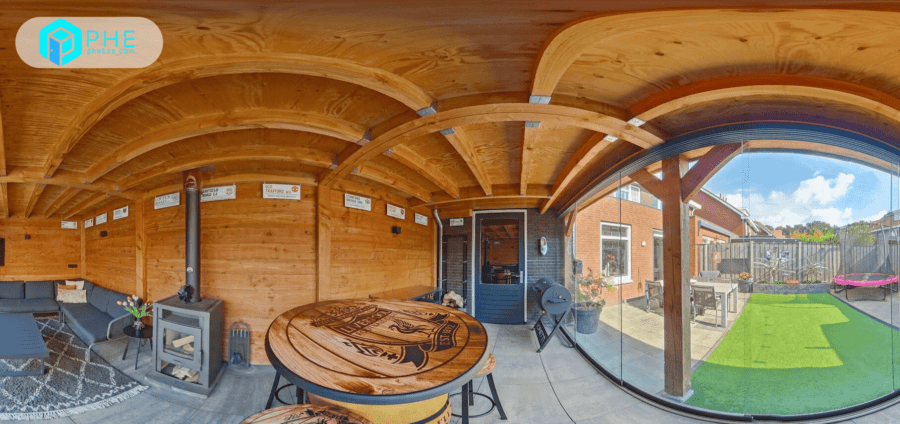
To shoot 3D real estate photography means capturing a property in a way that recreates its full spatial depth and layout. Unlike traditional images that show a single angle or perspective, 3D photography allows viewers to virtually walk through each room, look around in 360 degrees, and experience the property as if they were physically present.
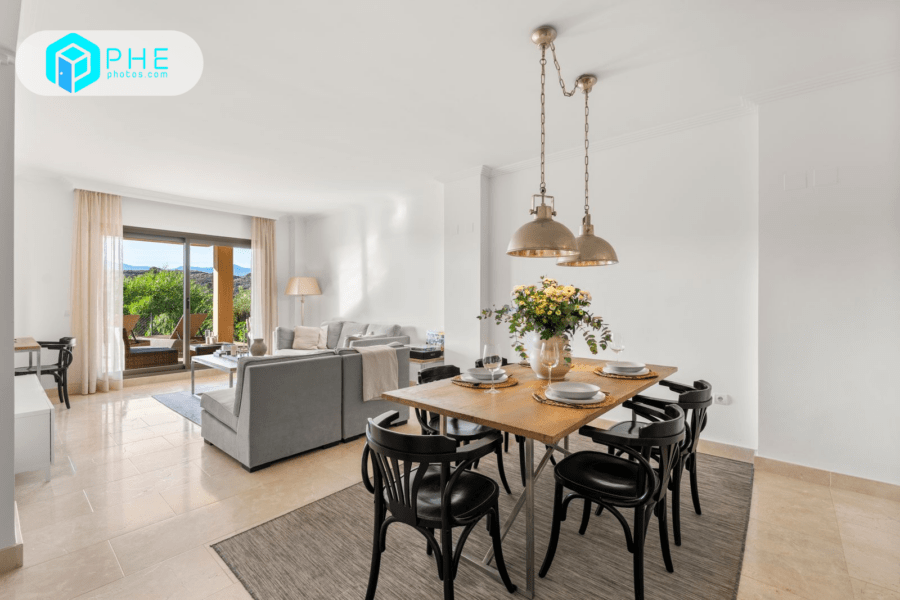
This process typically involves using specialized 3D cameras, 360° capture devices, or LiDAR scanning technology. These tools take multiple images and measurements, which are then stitched together to create a seamless virtual tour. Some platforms, like Matterport or Ricoh 360, also allow interactive hotspots, floor plans, and measurement tools, enhancing the user experience even further.
Why Shoot 3D Real Estate Photography?
1. Attract and Engage More Buyers
A listing with a 3D tour keeps visitors on your site longer and encourages them to explore the property fully. Interactive experiences make buyers feel more connected to the space, increasing the likelihood of inquiries and offers.
2. Improve Lead Quality
Because buyers can fully explore the property online, only serious prospects reach out for showings. This saves time for realtors and ensures higher-quality leads who are more likely to convert.
3. Reduce Physical Showings
With 3D tours, clients can virtually view the property multiple times, reducing the need for repeated in-person visits. This is particularly valuable for properties in high-demand markets or for sellers with busy schedules.
4. Stand Out in a Competitive Market
Using 3D photography signals professionalism and innovation. Listings with high-quality 3D visuals immediately appear more trustworthy, modern, and appealing to tech-savvy buyers.
5. Reach Remote and International Buyers
For clients relocating from other cities or countries, 3D walkthroughs are invaluable. They provide a comprehensive view of the property without requiring travel, expanding your potential buyer pool.
How to Shoot 3D Real Estate Photography Effectively
1. Prepare the Property
Clean, declutter, and stage each room. Remove personal items and ensure lighting is consistent. Natural light often works best, but additional lighting may be needed in darker spaces.
2. Use the Right Equipment
While smartphones can capture simple 360° images, professional results require specialized 3D cameras or scanners. Matterport, Insta360, and Ricoh are popular choices that produce high-quality, realistic tours.
3. Follow a Logical Capture Path
Move systematically through the property. Capture each room evenly to ensure smooth stitching and a coherent virtual walkthrough.
4. Pay Attention to Details
Small imperfections can be noticeable in 3D models. Ensure furniture is aligned, floors are clean, and decorative items are neatly arranged.
5. Edit and Review
After shooting, review the tour for errors, stitching problems, or missing areas. A polished, seamless final product enhances viewer experience and professional credibility.
Examples of Effective 3D Real Estate Photography
High-end properties, modern apartments, and luxury homes benefit most from 3D tours. However, even smaller homes or rental units can see higher engagement with interactive walkthroughs. For instance, a suburban house listed with a 3D tour can attract out-of-town buyers faster than those relying solely on static images. Many realtors also combine 3D tours with floor plans, allowing clients to understand the property layout more clearly.
Conclusion
In conclusion, choosing to shoot 3D real estate photography is a strategic investment that elevates property marketing. From increasing buyer engagement and improving lead quality to reducing unnecessary showings and reaching remote clients, the benefits are substantial. Properties presented with high-quality 3D tours stand out, close deals faster, and leave a lasting impression on potential buyers.
Whether you are a realtor looking to differentiate your listings, a developer showcasing new builds, or a homeowner wanting the best presentation, incorporating 3D photography into your marketing strategy ensures that your properties are displayed professionally, interactively, and effectively. In a competitive real estate market, 3D photography is no longer just a visual tool—it is a powerful driver of success.
Read more:
Professional Retouching Photo Editing: Techniques That Work
Sky Replacement Real Estate Photo Editing: Professional Tips for 2025
Real Estate Photo Editing Solution: 2025’s Visual Marketing Revolution