Virtual Staging Empty Rooms for Faster Sales

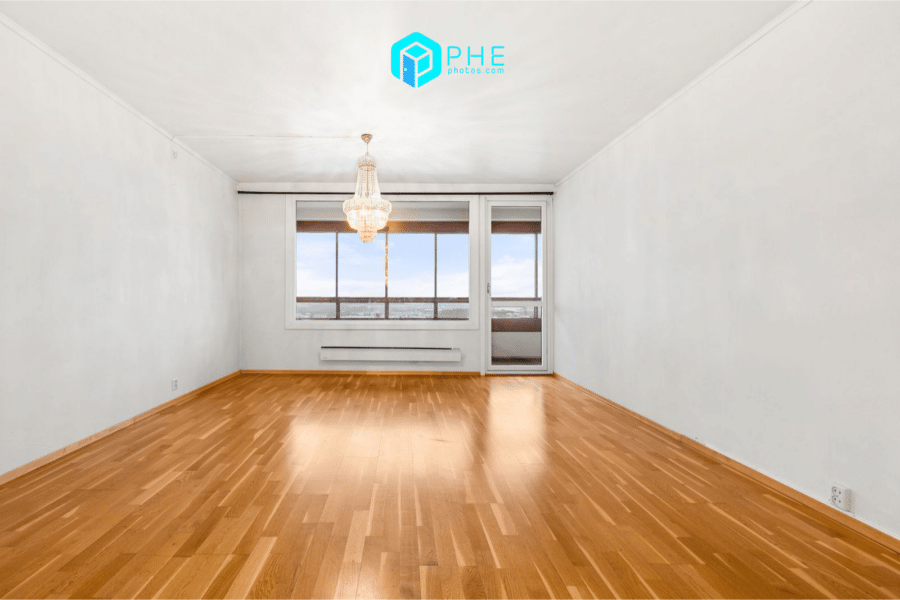
An empty room is hard to love. It looks smaller than it is, feels cold, and leaves buyers guessing where the sofa goes or whether a dining table will even fit. Virtual staging empty rooms solves this by digitally adding furniture and decor to photos of the real space, at a fraction of the cost of traditional staging.
What Is Virtual Staging for Empty Rooms?
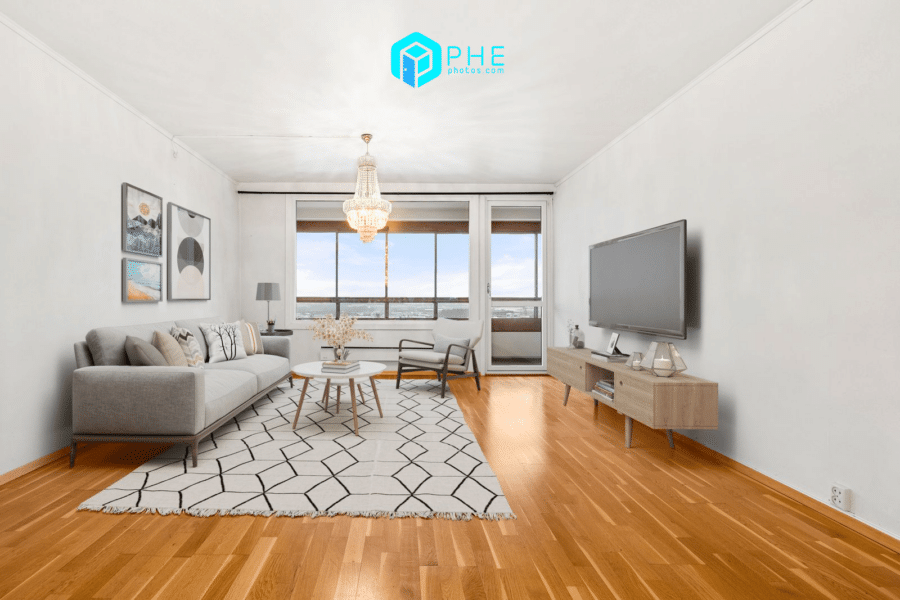
Virtual staging uses design software or AI to place realistic furniture into photos of a vacant room. The result is a set of listing images showing a styled living room, bedroom, or kitchen, while the physical space stays empty.
Unlike traditional staging, there is no furniture to rent, transport, or store. You only need good original photos, and most projects are delivered within hours or a few days.
Why Virtual Staging Empty Rooms Works
1. It Helps Buyers Visualize the Space
Most buyers struggle to imagine how an empty room will function. Add a bed, a nightstand, and a rug, and they instantly understand the scale and purpose of the room.
2. It Costs Far Less Than Physical Staging
Traditional staging can run into thousands of dollars once you add rental, delivery, setup, and removal. Virtual staging is usually priced per photo or per room, making it accessible even for small listings and rental units.
3. It Makes Your Listing Stand Out
The first photo decides whether someone clicks. Listings with attractive, furnished images tend to earn more views and inquiries than those with bare rooms, especially in crowded online marketplaces.
4. It Offers Total Style Flexibility
One room can be shown in multiple styles: modern, minimalist, Scandinavian, farmhouse, or luxury. This lets you match your target audience, whether young families, downsizers, or rental investors.
How to Virtually Stage an Empty Room: Step by Step
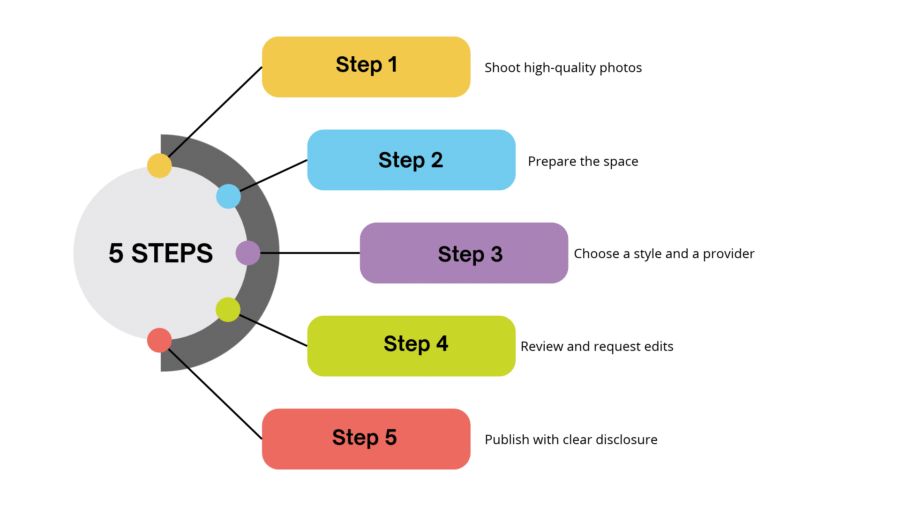
Step 1: Shoot high-quality photos. Use a good camera or a recent smartphone, shoot in landscape, keep verticals straight, and use plenty of natural light. Sharp, well-lit originals produce the most realistic results.
Step 2: Prepare the space. Turn on all lights, open the curtains, and clean the floors and walls. The software handles a lot, but a clean base makes the final image look more natural.
Step 3: Choose a style and a provider. Hire a professional service or use an AI-powered platform. Pick a design style that fits the property’s size, location, and ideal buyer.
Step 4: Review and request edits. Check furniture scale, shadows, lighting direction, and overall realism. Ask for revisions if pieces look too large, too small, or block key features like windows or balconies.
Step 5: Publish with clear disclosure. Label staged images as “virtually staged” and include the original empty photos alongside them.
Tips for Realistic, Persuasive Results
- Respect real proportions. Furniture should fit the room’s true dimensions. Oversized pieces make viewers suspicious.
- Keep decor minimal. A few well-chosen items such as a rug, lamp, and plant look better than a cluttered scene.
- Stay consistent. Use a cohesive style across all rooms so the home feels unified.
- Highlight your best features. Arrange furniture to draw the eye toward large windows, great views, or architectural details.
- Be transparent. Disclosing that images are staged builds trust and prevents disappointment during showings.
Which Properties Benefit Most?
Virtual staging empty rooms is ideal for newly built homes, vacant apartments, properties awaiting handover, and listings that need marketing photos quickly. For occupied homes that are already furnished, it is less necessary, though it can still help modernize outdated decor or remove clutter from photos.
Common Mistakes to Avoid
- Starting with poor photos. Dark, blurry, or distorted originals lead to unconvincing results.
- Mismatching style and audience. Luxury furniture in an entry-level apartment sets the wrong expectations.
- Over-editing. Altering the room’s structure, adding windows, or hiding major flaws can mislead buyers and create legal risk.
- Skipping disclosure. Failing to label staged images can damage credibility and, in some markets, violate listing rules.
Conclusion
Virtual staging empty rooms is one of the smartest, most affordable ways to make a vacant property feel like home. With strong original photos, a style that fits your buyers, and honest disclosure, you can make your listing stand out without investing in physical furniture.
If you are preparing to sell or rent an empty property, start with the living room and primary bedroom. These two spaces have the biggest influence on how buyers feel about the entire home.
Read more:
Virtual Summer in Real Estate Photo Editing
Sky Replacement for Real Estate Photos Guide