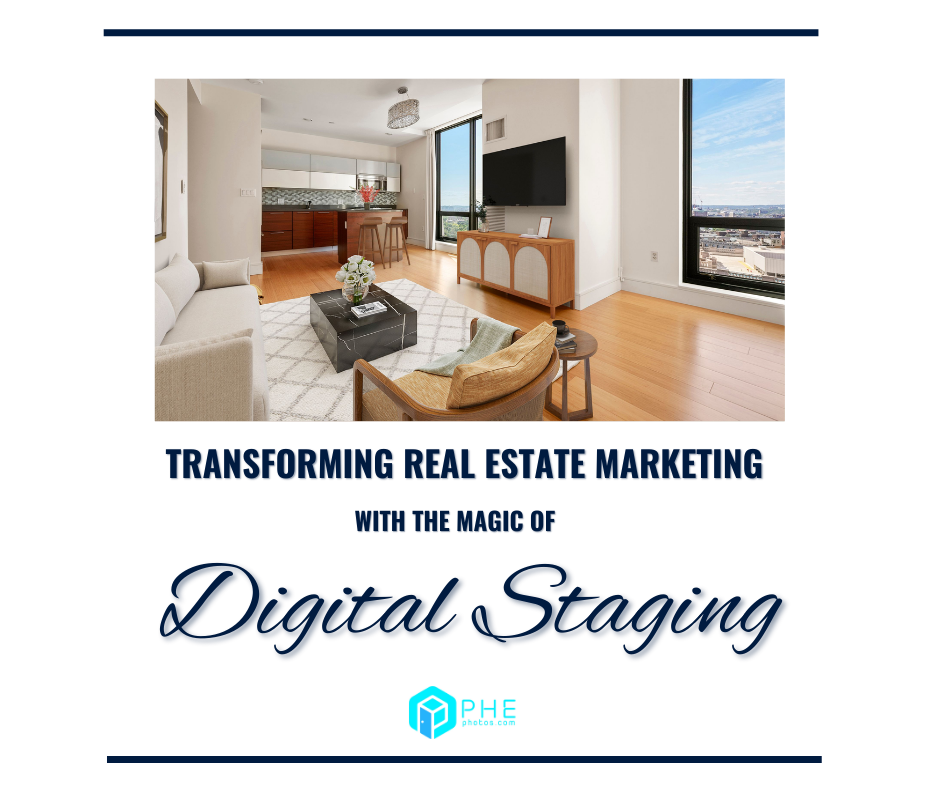
Transforming Real Estate Marketing with the Magic of Digital Staging
The real estate market is constantly evolving. Buyers now rely heavily on online listings before scheduling in-person visits. High-quality visuals can make or break a listing’s success. Digital staging has emerged as a game-changer, allowing agents and sellers to present properties in their best light. This technology transforms empty or outdated spaces into stunning, market-ready homes. But how exactly does digital staging work, and why is it so effective?
What is Digital Staging?
Digital staging is the process of enhancing property images using software. It adds realistic furniture, decor, and lighting effects to empty or outdated spaces. Unlike traditional staging, which requires physical furniture and setup, digital staging offers a cost-effective, flexible alternative. With the right editing tools, real estate professionals can create compelling, photorealistic images that appeal to potential buyers.

Why Digital Staging is Gaining Popularity
1. Cost-Effective Solution
Traditional staging can cost thousands of dollars per month. Digital staging, however, eliminates the need for renting furniture and hiring professional designers. On average, digital staging costs between $30 and $150 per image, making it an affordable option for sellers.
2. Faster Property Marketing
Staged properties sell 73% faster than non-staged ones. Virtual staging speeds up the process even more, as edits can be completed in hours instead of days. Real estate professionals can list properties quickly and efficiently without waiting for physical staging setups.
3. Enhanced Buyer Experience
According to the National Association of Realtors (NAR), 97% of home buyers search for properties online. Digitally staged images help buyers visualize the potential of a home, making it easier for them to connect emotionally with the space.
4. Customization and Flexibility
With 3D staging, realtors can tailor images to target different buyer preferences. A single space can be styled in multiple ways to showcase its versatility. Modern, rustic, or minimalist – digital staging can transform a property to fit any market demand.

The Latest Digital Staging Trends
AI-Powered Staging
Artificial intelligence (AI) is revolutionizing virtual staging. AI-driven software can automatically generate design suggestions based on market trends. These tools reduce manual work and ensure images align with buyer preferences.
Virtual Walkthroughs
Buyers now expect more than just photos. Virtual walkthroughs allow them to explore digitally staged homes in 3D. This immersive experience gives a realistic sense of space and layout, increasing engagement and interest.
Personalized Staging Options
Sellers can now offer multiple versions of a staged room. Buyers can choose from various design styles to see how the property fits their tastes. This level of customization makes listings more appealing.
Integration with Augmented Reality (AR)
Some real estate platforms integrate AR features, allowing buyers to modify digital staging in real time. They can swap furniture, change wall colors, or rearrange layouts to match their vision for the home.
Best Practices for Digital Staging
1. Maintain Realism
Over-editing can make images look fake, deterring potential buyers. Stick to realistic furniture proportions, lighting, and shadows to maintain authenticity.
2. Highlight Key Selling Points
Use 3D staging to emphasize unique property features. Showcase spacious living areas, upgraded kitchens, or scenic views to attract buyers.
3. Avoid Misleading Edits
Ensure that digital staging enhances rather than deceives. Do not alter structural elements like walls, windows, or flooring. Buyers should see an accurate representation of the home.
4. Optimize Image Quality
High-resolution images are essential for making virtual staging effective. Crisp, clear visuals enhance the buyer’s experience and make listings stand out.
5. Use Professional Editing Services
DIY staging tools exist, but professional services offer superior results. Skilled editors ensure realistic and high-quality enhancements that align with industry standards.
How Digital Staging Boosts Sales


Attracting More Buyers
Listings with digitally staged images receive more views than unstaged ones. Enhanced visuals capture attention and keep buyers engaged longer.
Increasing Perceived Value
A well-staged home appears more valuable. Virtual staging helps buyers see a property’s potential, making them more willing to pay a competitive price.
Reducing Listing Time
Properties that look move-in ready attract faster offers. Digital staging minimizes buyer hesitation, leading to quicker sales and higher closing rates.
Final Thoughts
Digital staging is reshaping real estate marketing. It provides a cost-effective, fast, and engaging way to present properties online. As technology advances, 3D staging will become even more sophisticated, offering new ways to attract buyers. By leveraging this innovative tool, real estate professionals can stay ahead of the competition and maximize their sales potential.
Read more:
Unlocking the Power of Photo Enhancement in Real Estate Photo Editing
Virtual Dusk Real Estate Photo Editing: Transforming Listings with Twilight Appeal
Fireplace Staging Tips to Enhance Your Real Estate