Unveil The Power Of Virtual Staging In Real Estate
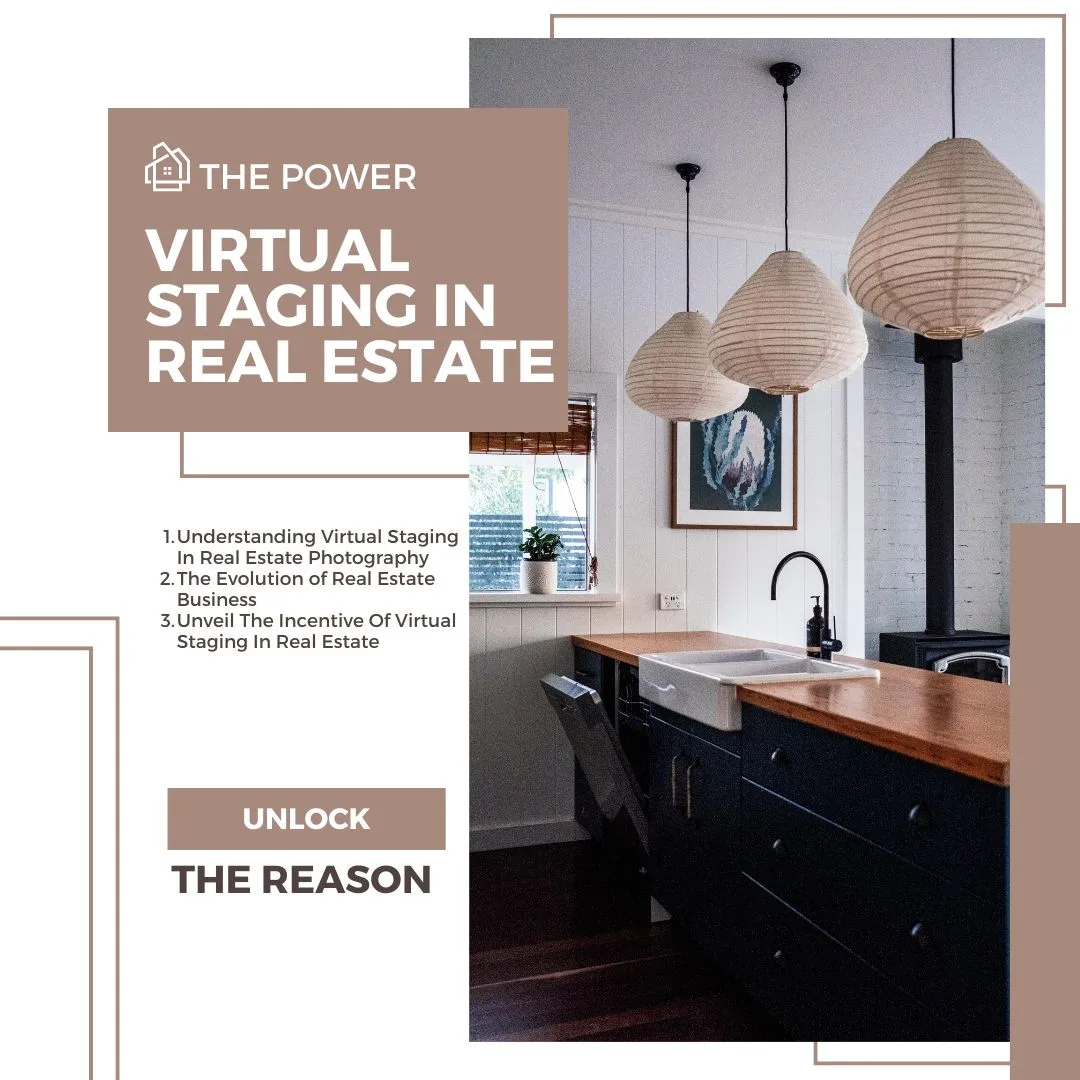
When searching the keyword “virtual staging in real estate photography”, the screen shows thousands of photo editing services that introduce themselves with stunning virtual staging editing. Compared to the past, you may wonder why this type of editing has become so ubiquitous, which may be a big question for many, which is the reason why we publish this article.
Understanding Virtual Staging In Real Estate Photography
Virtual staging is the digital change of photographs from an empty house image to sparsely furnished properties. The success of virtual staging relies heavily on advancements in technology. Using advanced 3D rendering and design software, people can create realistic images of how a space can be used. This process adds furniture, decor, and other elements to photos. It helps potential buyers visualize a property’s potential without physical staging.

Before

After
The Evolution of Real Estate Business
The real estate industry has undergone significant changes over the past few decades, particularly with the advent of Internet marketing. Traditional marketing methods, like print ads and open houses, are now supplemented by online listings and virtual tours. In some cases, these digital methods have even replaced traditional approaches in real estate marketing. Virtual staging has become a crucial part of real estate strategies, showcasing properties in the best light. The shift to digital platforms has changed how properties are marketed and influenced buyer behavior. Many potential buyers now conduct extensive online research before visiting a property in person.
Unveil The Incentive Of Virtual Staging In Real Estate
Virtual staging offers numerous advantages, the following points are the most outstanding:
Virtual Staging In Real Estate #1. Cost-effective Alternatives Compared To Conventional One
One of the most significant benefits is cost-effectiveness. Traditional staging can be expensive, which can be up to a thousand bulk to full decor, as well as the labor involved in setting up and dismantling the staging. In contrast, digital virtual staging eliminates these costs, providing a budget-friendly alternative that can yield impressive results. This financial efficiency helps sellers allocate resources to other crucial areas of the selling process. These areas include marketing or home improvements, which ultimately enhance the property’s overall appeal.
Virtual Staging In Real Estate #2. Enhance Visual Appeal
Another critical advantage of virtual staging is the enhanced visual appeal it provides. High-quality virtual staging can transform a bland space into a warm and inviting environment. This visual enhancement can significantly impact a buyer’s perception of property since properties that are virtually staged often receive more attention online, leading to higher engagement rates and increased inquiries. The ability to create inviting atmospheres through digital means allows realtors to stand out in a competitive market.

An Example Of Enhance Visual Appeal
Virtual Staging In Real Estate #3. Collect Targeting Specific Audiences
Virtual staging also allows real estate professionals to tailor their marketing efforts to specific demographics. By selecting furniture and decor styles that resonate with particular buyer segments, agents can create a more targeted marketing approach. For instance, a property in a family-friendly neighborhood may be staged with children’s furniture and toys, while a luxury condo may feature modern, high-end furnishings. This customization is the foundation that viewers can imagine how they could use the space, increasing the emotional inspiration to the property. By appealing to the lifestyle aspirations of different buyer groups, virtual staging can significantly enhance the effectiveness of marketing campaigns.
Virtual Staging In Real Estate #4. Get Flexibility and Adaptability
Flexibility should also be mentioned as one of the standout features of virtual staging. Unlike traditional staging, which requires physical changes to a space, virtual staging can be easily adjusted to reflect different styles or layouts. This adaptability allows realtors to try various decorations without the messy furniture replacement. For example, if a property does not attract interest with one staging style, agents can quickly re-stage the property virtually to appeal to a different audience. This rapid turnaround can be crucial in fast-paced markets where timing is everything, enabling agents to respond to market feedback and trends effectively.
Virtual Staging In Real Estate #5. Improve Online Presence

Virtual staging in an era where online presence is paramount. Listings with high-quality, visually appealing images are more likely to stand out in a crowded market. This editing can help create a cohesive and polished online portfolio for real estate agents, showcasing their properties in the best possible light. This improved online presence can lead to increased traffic to listings and ultimately result in quicker sales. Moreover, as social media continues to play a significant role in real estate marketing, visually striking images can be easily shared, further amplifying a property’s reach and engagement.
Future Trends Of Virtual Staging In Real Estate
To adapt to real estate marketing evolution, realtors should focus more on virtual staging. Virtual staging is expected to become increasingly prevalent, with more agents recognizing its benefits and incorporating it into their marketing strategies. Additionally, advancements in virtual reality (VR) and augmented reality (AR) technologies may further enhance the virtual staging experience, allowing potential buyers to engage with properties in immersive ways. These trends indicate a promising future for virtual staging in real estate industry.

Virtual Staging With AI
Another trend emerging is the integration of AI. As buyers become more tech-savvy and accustomed to digital experiences, it is likely that virtual staging will become even more sophisticated, providing real estate professionals with additional tools to market properties effectively. Innovations such as artificial intelligence and machine learning may also play a role in optimizing staging choices based on buyer preferences and market trends.
Final Thoughts
In conclusion, virtual staging in real estate has emerged as a vital tool in real estate marketing, offering numerous benefits that enhance the presentation of properties. Its cost-effectiveness, visual appeal, and adaptability make it an attractive option for real estate professionals seeking to engage potential buyers. However, it is essential to navigate the challenges and ethical considerations associated with virtual staging to ensure accurate representation and maintain trust in the real estate market. As technology continues to advance, the role of virtual staging is likely to expand, further shaping the future of real estate marketing and photography.
Related Posts
Optimum Rules: Real Estate Photography Virtual Staging on Budget
Next-Level Real Estate Marketing: A Revolution With 360° Virtual Tours
Furniture replacement in real estate photo editing – All about it?